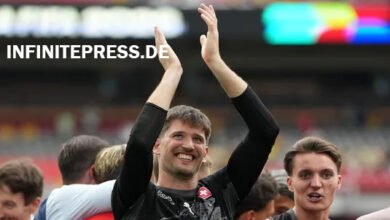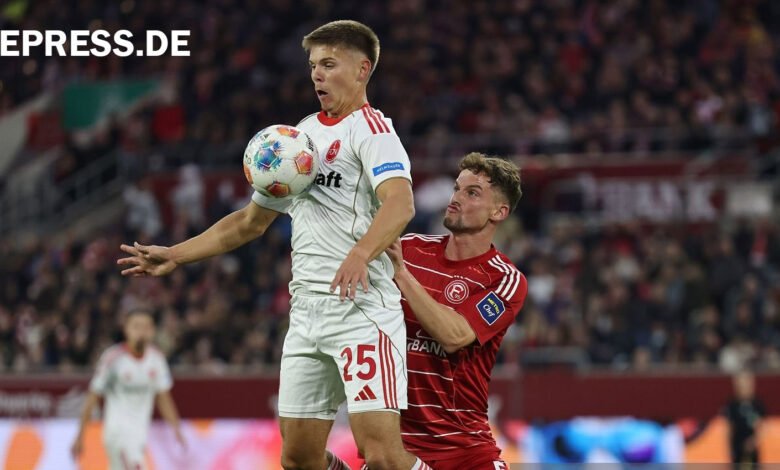
Fortuna Düsseldorf is one of those football clubs that proves a team does not need constant global headlines to have a powerful identity. Based in Düsseldorf, Germany, the club is known for tradition, emotional support, red-and-white colors, dramatic football moments, and a loyal fan culture that has stayed strong through highs and lows. For many supporters, Fortuna Düsseldorf is more than a weekend match. It is a symbol of the city, a connection between generations, and a reminder that football is built on belonging as much as results.
The club, often called F95, carries a story that includes national glory, memorable cup nights, European drama, relegation battles, promotions, and passionate home matches. This mixture of success and struggle has shaped its personality. Fortuna Düsseldorf is not only remembered for trophies; it is admired because its supporters continue to stand by the team through every chapter.
In modern football, where money, branding, and global exposure often dominate attention, Fortuna Düsseldorf represents something deeply authentic. It has history, community roots, a recognizable stadium atmosphere, and a fan base that values loyalty. Whether you are a new football fan, a visitor to Düsseldorf, or someone researching German clubs beyond Bayern Munich and Borussia Dortmund, Fortuna Düsseldorf offers a fascinating story worth exploring.
The Origins of Fortuna Düsseldorf
Fortuna Düsseldorf was founded in 1895, which explains why the club is commonly connected with the abbreviation F95. Its full identity is tied to the city of Düsseldorf and to a sporting tradition that goes back more than a century. The club’s long history gives it a special place in German football, especially because it has experienced many different eras of the game.
The early decades of German football were very different from the modern professional structure. Clubs were built locally, supporters often lived near the grounds, and football culture grew through neighborhoods, amateur competitions, and city pride. Fortuna Düsseldorf emerged from this environment and gradually became one of the important football names in western Germany.
The word “Fortuna” itself suggests luck or fortune, but the club’s journey has rarely been simple luck. Its story has been built through persistence, recovery, and determination. From local beginnings to national recognition, Fortuna Düsseldorf developed a reputation as a club capable of producing major moments even when expectations were not always high.
A Historic German Championship
One of the greatest achievements in Fortuna Düsseldorf history came in 1933, when the club became German champion. This title remains a central part of the club’s legacy and is still one of the strongest reasons F95 is respected by football historians. The club’s official history highlights the championship year, including the famous 3-0 final victory over Schalke 04 in Cologne.
That championship was not just another trophy. It placed Fortuna Düsseldorf among the important clubs of the pre-Bundesliga era and gave supporters a proud historical reference point. Even though football has changed enormously since the 1930s, titles from that period still matter because they show how deep a club’s roots go.
For fans, the 1933 championship represents a golden chapter. It reminds them that Fortuna Düsseldorf has reached the very top of German football before. This heritage also adds weight to every modern promotion push, cup run, and big home game. Supporters are not simply hoping for future success; they are also protecting a proud past.
Andere Leser lasen auch: Bundesliga: A Complete Guide to Germany’s Most Exciting Football League
Cup Glory and European Drama
Fortuna Düsseldorf is also remembered for its cup success. The club won the DFB-Pokal in 1979 and again in 1980, creating one of the brightest periods in its history. Transfermarkt lists the club as a one-time German champion, two-time German Cup winner, and two-time 2. Bundesliga champion.
The 1979 cup win was especially emotional because it came after several lost finals. According to the club’s official success page, Fortuna finally overcame the pain of previous final defeats when Wolfgang Seel scored in the 116th minute of the 1979 final. Moments like this are the reason cup competitions are loved by supporters: one goal can change the mood of an entire club for decades.
The 1980 DFB-Pokal victory strengthened Fortuna Düsseldorf’s reputation as a team with real cup quality. The club’s own historical overview also connects the 1980 success with Otto Rehhagel, noting that it was the first title of his coaching career.
Another unforgettable chapter came in Europe. Fortuna reached the 1979 European Cup Winners’ Cup final against FC Barcelona in Basel and lost 4-3 after extra time. Although it ended in defeat, the match remains one of the club’s most famous games. It showed that Fortuna Düsseldorf could compete on a continental stage and create memories that lasted long after the final whistle.
Merkur Spiel-Arena: The Modern Home of F95
The home of Fortuna Düsseldorf is the Merkur Spiel-Arena, a modern stadium that plays an important role in the club’s identity. The official club website describes Merkur Spiel-Arena as the current home ground of Fortuna Düsseldorf. It is more than a place where matches happen; it is where fans gather, sing, celebrate, worry, and experience the emotional rhythm of a football season.
A strong home stadium is essential for any club with deep local roots. For Fortuna Düsseldorf, the stadium provides a stage where the relationship between players and supporters becomes visible. On matchdays, red-and-white scarves, chants, flags, and anticipation turn the arena into a central meeting point for the city’s football community.
The stadium also helps the club remain commercially and socially relevant. Modern football clubs need facilities that can host large crowds, media demands, hospitality areas, community events, and modern fan experiences. Merkur Spiel-Arena gives Fortuna Düsseldorf a home that matches the scale of its ambitions while keeping the emotional link with supporters alive.
The Power of Fortuna Düsseldorf Fans
One of the strongest parts of Fortuna Düsseldorf is its fan base. The club’s supporters are known for loyalty, noise, and emotional connection. Like many German clubs, Fortuna benefits from a football culture where fans see themselves as part of the club rather than simply customers.
This relationship matters because Fortuna Düsseldorf has not always had a smooth path. The club has experienced relegations, promotions, financial challenges, and changes in sporting direction. Through those moments, the fans have remained central to the club’s identity. A club that survives difficult periods often becomes emotionally stronger because supporters learn to value loyalty over temporary success.
Fortuna fans also give the club a clear personality. The atmosphere around F95 is often described through passion, pride, and resilience. Whether the team is chasing promotion, fighting to stabilize, or entering a cup tie as an underdog, supporters create the sense that the club is never alone.
This is one reason neutral football followers often respect Fortuna Düsseldorf. The club is not simply a name in the standings. It represents a community that has lived through every type of football emotion and still returns to support the team.
Playing Identity and Club Character
Fortuna Düsseldorf’s football identity has changed across different eras, managers, and squads. However, the broader character of the club is usually associated with fight, intensity, and determination. Supporters expect players to understand the shirt and compete with commitment.
In German football, many clubs have distinct emotional identities. Some are known for youth development, some for tactical innovation, some for financial strength, and some for massive global fan bases. Fortuna Düsseldorf’s identity is built around tradition, city pride, and resilience. These qualities matter because they give the club meaning even when results are inconsistent.
A team like Fortuna Düsseldorf often carries the pressure of history. Fans know the club has won major honours and reached big finals. At the same time, modern competition is difficult, and every season brings new challenges. The balance between proud memory and present ambition is part of what makes F95 interesting.
Fortuna Düsseldorf and the City
Düsseldorf is a city known for business, fashion, art, the Rhine, and a lively cultural scene. Within that environment, Fortuna Düsseldorf gives the city a sporting heartbeat. The club connects people from different backgrounds through a shared emotional experience.
Football clubs often become unofficial ambassadors for their cities. When Fortuna Düsseldorf plays, the city’s name appears in fixtures, broadcasts, reports, and conversations. For local people, the club provides identity and pride. For visitors, watching Fortuna can become a way to understand Düsseldorf beyond tourist attractions.
The relationship between city and club is especially important in Germany, where football culture is often connected to regional identity. Fortuna is not just a sports brand located in Düsseldorf; it is part of the city’s memory. Generations of fans have personal stories connected to matches, family traditions, and unforgettable days at the stadium.
Why Fortuna Düsseldorf Still Matters
Fortuna Düsseldorf matters because football is not only about the biggest budgets or the most famous players. It is also about history, community, and emotional endurance. Clubs like F95 keep football grounded. They remind fans that success can be temporary, but identity lasts.
The club’s history includes a German championship, DFB-Pokal wins, European drama, and memorable promotions. But its importance goes beyond statistics. Fortuna Düsseldorf remains relevant because it has a loyal base, a strong local identity, and a name that carries weight in German football.
For younger fans, Fortuna offers a club with depth. For older supporters, it offers memories and continuity. For neutral fans, it offers a window into the richness of German football outside the usual global spotlight.
Conclusion
Fortuna Düsseldorf is a club with character, tradition, and emotional power. Its story includes a German championship, cup triumphs, European heartbreak, modern stadium culture, and a fan base that continues to support the team with pride. In a football world often focused on money and instant success, Fortuna Düsseldorf stands as a reminder that the soul of the game lives in loyalty, memory, and community.
For anyone interested in German football, Fortuna Düsseldorf is worth knowing. The club represents the beauty of football beyond the biggest headlines: historic achievements, passionate supporters, and a city that continues to stand behind its team. Whether F95 is celebrating a major win or rebuilding after a difficult season, the spirit of Fortuna Düsseldorf remains strong.
Frequently Asked Questions (FAQs)
What is Fortuna Düsseldorf?
Fortuna Düsseldorf is a German football club based in Düsseldorf. It is commonly known as F95 and has a long history in German football, including major domestic success and passionate support.
Why is Fortuna Düsseldorf called F95?
The “F” comes from Fortuna, and “95” refers to the club’s founding year, 1895. This is why supporters and media often use F95 as a short name for the club.
What stadium does Fortuna Düsseldorf play in?
Fortuna Düsseldorf plays its home matches at the Merkur Spiel-Arena. The stadium is an important part of the club’s modern identity and matchday experience.
Has Fortuna Düsseldorf won the German championship?
Yes. Fortuna Düsseldorf won the German championship in 1933, one of the most important achievements in the club’s history.
Has Fortuna Düsseldorf won the DFB-Pokal?
Yes. Fortuna Düsseldorf won the DFB-Pokal in 1979 and 1980, making that period one of the proudest eras in the club’s history.
Why do fans respect Fortuna Düsseldorf?
Fans respect Fortuna Düsseldorf because of its history, loyal supporters, strong city identity, and ability to keep fighting through both successful and difficult periods.