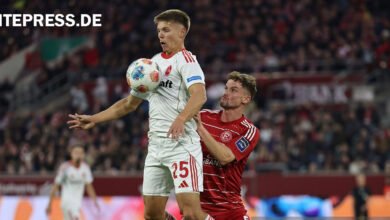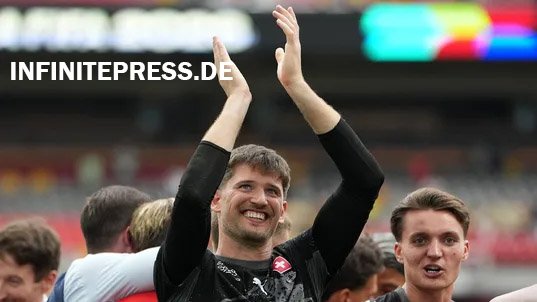
The Bundesliga is one of the most exciting football leagues in the world. Known for fast-paced matches, passionate fans, historic clubs, and a strong focus on developing young talent, the Bundesliga has built a special place in global football. Whether someone follows Bayern Munich, Borussia Dortmund, Bayer Leverkusen, RB Leipzig, Eintracht Frankfurt, or another German club, the league offers drama, goals, rivalries, and unforgettable football moments every season.
Unlike some leagues that rely heavily on superstar spending, the Bundesliga stands out because of its football culture. German stadiums often create an intense matchday atmosphere, with loud supporters, colorful fan displays, and deep community connections. The league also has a reputation for giving young players real opportunities, which is why many rising stars have used Germany as a platform to grow into world-class footballers.
At its core, the Bundesliga is more than a football competition. It reflects Germany’s sporting identity, local pride, and fan-first traditions. From its historic beginning in 1963 to its modern global reach, the Bundesliga continues to attract viewers who want competitive football with energy, emotion, and authenticity. The league officially began play on 24 August 1963 and has since become home to many famous football figures, including Franz Beckenbauer, Gerd Müller, Robert Lewandowski, Manuel Neuer, and Thomas Müller.
What Is the Bundesliga?
The Bundesliga is Germany’s top professional football division. It sits at the highest level of the German football league system and features clubs that compete for the national championship, European qualification, and survival from relegation. The league is followed not only in Germany but also around the world because of its entertaining style and strong club identities.
A standard Bundesliga season includes 18 teams. Each club plays 34 matches, facing every other team twice: once at home and once away. This format creates a balanced schedule where consistency matters across the full campaign. The official Bundesliga FAQ explains that the league uses 18 teams and 34 matches per club, unlike several other major European leagues that use 20 teams and 38 matchdays.
The points system is simple. A team earns three points for a win, one point for a draw, and zero points for a defeat. At the end of the season, the club with the most points becomes German champion. Meanwhile, the lower end of the table brings its own pressure because relegation can change a club’s future financially and competitively.
Why the Bundesliga Is So Popular
The Bundesliga is popular because it combines entertainment with identity. Many matches are open, aggressive, and full of attacking football. Teams often press high, move the ball quickly, and create goal-scoring chances. This style makes the league appealing for neutral fans who want action rather than slow, defensive matches.
Another major reason behind the league’s popularity is its fan culture. German supporters are known for their loyalty and creativity. Stadiums such as Signal Iduna Park, Allianz Arena, Deutsche Bank Park, and Volksparkstadion are not just sports venues; they are community landmarks. Fans sing, wave flags, and support their clubs with a level of passion that gives Bundesliga matches a unique atmosphere.
The Bundesliga has also become known for relatively strong fan influence. One important part of German football culture is the 50+1 rule. In simple terms, this rule helps ensure that club members keep majority voting control, limiting the power of outside investors. Bundesliga’s official explanation says the rule requires members to hold 50 percent plus one more vote, giving fans and club members the ultimate say in how clubs are run.
Because of this structure, many supporters feel deeply connected to their clubs. While money still matters in German football, the league has protected a sense of tradition that many fans value.
Andere Leser lasen auch: DSDS 2025: Complete Guide to the Show, Updates, Expectations, and What Fans Should Know
A Brief History of the Bundesliga
The Bundesliga was created to modernize German football and bring the country’s strongest clubs into one national league. Before the Bundesliga, German football was organized through regional competitions. A national top division helped improve quality, competitiveness, and professionalism.
The foundation for the league was laid in 1962, when German football authorities voted to create a single national top flight for the 1963/64 season. The Bundesliga’s own anniversary coverage notes that the decision was made at a German Football Association conference in Dortmund on 28 July 1962.
Since then, the Bundesliga has produced iconic teams, legendary players, and memorable title races. Bayern Munich became the most successful club in league history, while Borussia Dortmund, Borussia Mönchengladbach, Werder Bremen, Hamburg, VfB Stuttgart, and other clubs have all contributed to the league’s story.
Over the years, the Bundesliga has also adapted to modern football. It has improved broadcasting, expanded its international audience, and continued to develop players who perform at the highest level. Even as the game has become more commercial, the Bundesliga has kept many traditions that make German football feel different from other major European leagues.
Bundesliga Clubs and Rivalries
The Bundesliga is full of clubs with strong identities. Bayern Munich are the most globally recognized German club, with a long history of domestic and European success. Borussia Dortmund are famous for their passionate supporters, attacking football, and the “Yellow Wall,” one of the most iconic stands in world football.
Other clubs bring their own stories. Bayer Leverkusen are known for technical football and strong recruitment. RB Leipzig have become a modern competitive force. Eintracht Frankfurt have a passionate fanbase and a proud European tradition. VfB Stuttgart, Borussia Mönchengladbach, Werder Bremen, Hamburg, and Schalke 04 also carry deep football history.
Rivalries are a major part of the Bundesliga experience. Der Klassiker between Bayern Munich and Borussia Dortmund attracts global attention. The Revierderby between Borussia Dortmund and Schalke 04 is one of Germany’s most emotional rivalries when both clubs are in the same division. Local derbies involving Hamburg, St. Pauli, Cologne, Gladbach, Union Berlin, and Hertha Berlin can also create intense football atmospheres.
These rivalries matter because they are not only about points. They are about regional pride, tradition, and identity. That emotional connection is one reason the Bundesliga continues to stand out.
The Bundesliga Playing Style
The Bundesliga is often associated with speed, pressing, and attacking play. Many German teams prefer high-energy football, where players close down opponents quickly and transition fast from defense to attack. This creates open games and plenty of chances.
Coaching has played a major role in shaping this identity. German football has produced influential managers who value structure, pressing, tactical flexibility, and player development. These ideas have affected not only the Bundesliga but also world football.
The league also gives young players room to grow. Instead of keeping prospects on the bench for years, many Bundesliga clubs trust them earlier. This helps teenagers and young professionals gain valuable first-team experience. The Bundesliga has officially highlighted Germany as a strong environment for young players, pointing to names such as Jamal Musiala and Florian Wirtz as examples of talents who developed in the league.
Because of this, many scouts, analysts, and fans watch the Bundesliga closely. It is often a place where the next big football star begins to shine.
Promotion and Relegation in the Bundesliga
Promotion and relegation make the Bundesliga exciting from top to bottom. While the title race gets attention, the battle to avoid relegation can be just as dramatic. Clubs near the bottom fight for survival because dropping to the second division can affect revenue, squad planning, and fan morale.
Germany uses a distinctive system between the Bundesliga and Bundesliga 2. The bottom two Bundesliga teams are automatically relegated, while the top two teams from Bundesliga 2 are automatically promoted. Then, the team finishing 16th in the Bundesliga usually plays a two-legged relegation playoff against the team finishing third in Bundesliga 2. The winner earns a place in the Bundesliga for the next season.
This playoff system creates high-pressure matches. For one club, it can mean survival. For another, it can mean a long-awaited return to the top flight. As a result, the Bundesliga season often remains interesting until the final matchdays.
Why Fans Love Bundesliga Stadiums
Bundesliga stadiums are among the league’s biggest strengths. They are loud, colorful, and emotional. Matchdays often feel like community events, where families, lifelong supporters, and younger fans come together to support their team.
The fan experience is not only about watching football. It includes chants, traditions, pre-match rituals, and local identity. Supporters often see their clubs as part of their city or region. This gives each match a deeper meaning.
German football’s fan culture has received global praise because of supporter ownership, accessible ticket traditions, and community connection. Bundesliga’s own feature on fan culture describes the league as world-renowned for its supporter culture, including fan ownership, low ticket prices, and strong matchday action.
This atmosphere makes the Bundesliga attractive to international visitors. Many football fans dream of watching a match in Dortmund, Munich, Frankfurt, Hamburg, Berlin, Cologne, or Stuttgart because the stadium experience feels authentic.
Bundesliga and European Football
The Bundesliga plays an important role in European football. Its strongest clubs regularly compete in UEFA competitions, including the Champions League, Europa League, and Conference League. Success in Europe helps German clubs build global reputations and attract talented players.
Bayern Munich have long been one of Europe’s elite clubs. Borussia Dortmund have also reached major European finals and produced memorable continental campaigns. Bayer Leverkusen, Eintracht Frankfurt, RB Leipzig, Schalke, Werder Bremen, and other clubs have added to Germany’s European football story.
European qualification adds another layer to the Bundesliga table. Clubs are not only trying to win the title; they are also fighting for Champions League and Europa League places. This keeps the upper half of the table highly competitive.
For fans, European football also gives Bundesliga clubs a chance to test themselves against teams from England, Spain, Italy, France, Portugal, and beyond. These matches help show the league’s quality on a wider stage.
The Future of the Bundesliga
The Bundesliga continues to evolve. The modern game is changing quickly through new broadcasting models, data analysis, global scouting, and commercial growth. German clubs must compete financially with other European leagues, especially the English Premier League, while still protecting the traditions that make the Bundesliga special.
The 2026/27 Bundesliga season is scheduled to begin on 28 August 2026, according to the official league calendar. That same official calendar lists Matchday 34 for 22 May 2027 and relegation playoff legs for late May and early June 2027.
Looking ahead, the Bundesliga’s challenge is balance. It must remain competitive internationally while keeping stadium culture, fan involvement, youth development, and club identity strong. If the league manages that balance, it will continue to be one of the most respected football competitions in the world.
Conclusion
The Bundesliga is one of football’s most exciting and culturally rich leagues. It offers attacking matches, passionate supporters, historic clubs, modern tactics, and a strong pathway for young talent. While Bayern Munich, Borussia Dortmund, Bayer Leverkusen, RB Leipzig, and other major clubs often attract attention, the entire league contributes to its identity.
What makes the Bundesliga special is not just the football on the pitch. It is also the sound of the stadiums, the loyalty of supporters, the importance of tradition, and the belief that football clubs should remain connected to their communities. That combination gives the Bundesliga a unique place in world football.
For new fans, the Bundesliga is easy to enjoy because it delivers goals, energy, and emotion. For long-time followers, it offers history, rivalry, and identity. As football continues to change, the Bundesliga remains a powerful reminder that the game is at its best when quality, passion, and community come together.
Frequently Asked Questions (FAQs)
What does Bundesliga mean?
Bundesliga is a German word that roughly means “Federal League.” In football, it refers to Germany’s top professional league. The term is also used in other German sports, but globally it is most commonly associated with German football.
How many teams are in the Bundesliga?
The Bundesliga has 18 teams. Each club plays 34 league matches in a season, facing every opponent twice, once at home and once away.
When was the Bundesliga founded?
The Bundesliga began in 1963. Its first season was 1963/64, and the league officially debuted on 24 August 1963.
Which club is the most famous in the Bundesliga?
Bayern Munich are widely considered the most famous Bundesliga club because of their domestic success, European trophies, global fanbase, and long history of elite players. However, Borussia Dortmund, Bayer Leverkusen, Schalke 04, Hamburg, and other clubs also have strong identities and large supporter bases.
Why is the Bundesliga known for young players?
The Bundesliga is known for young players because many German clubs give early first-team opportunities to talented prospects. The league’s style, coaching structure, and academy culture help young footballers develop quickly.